
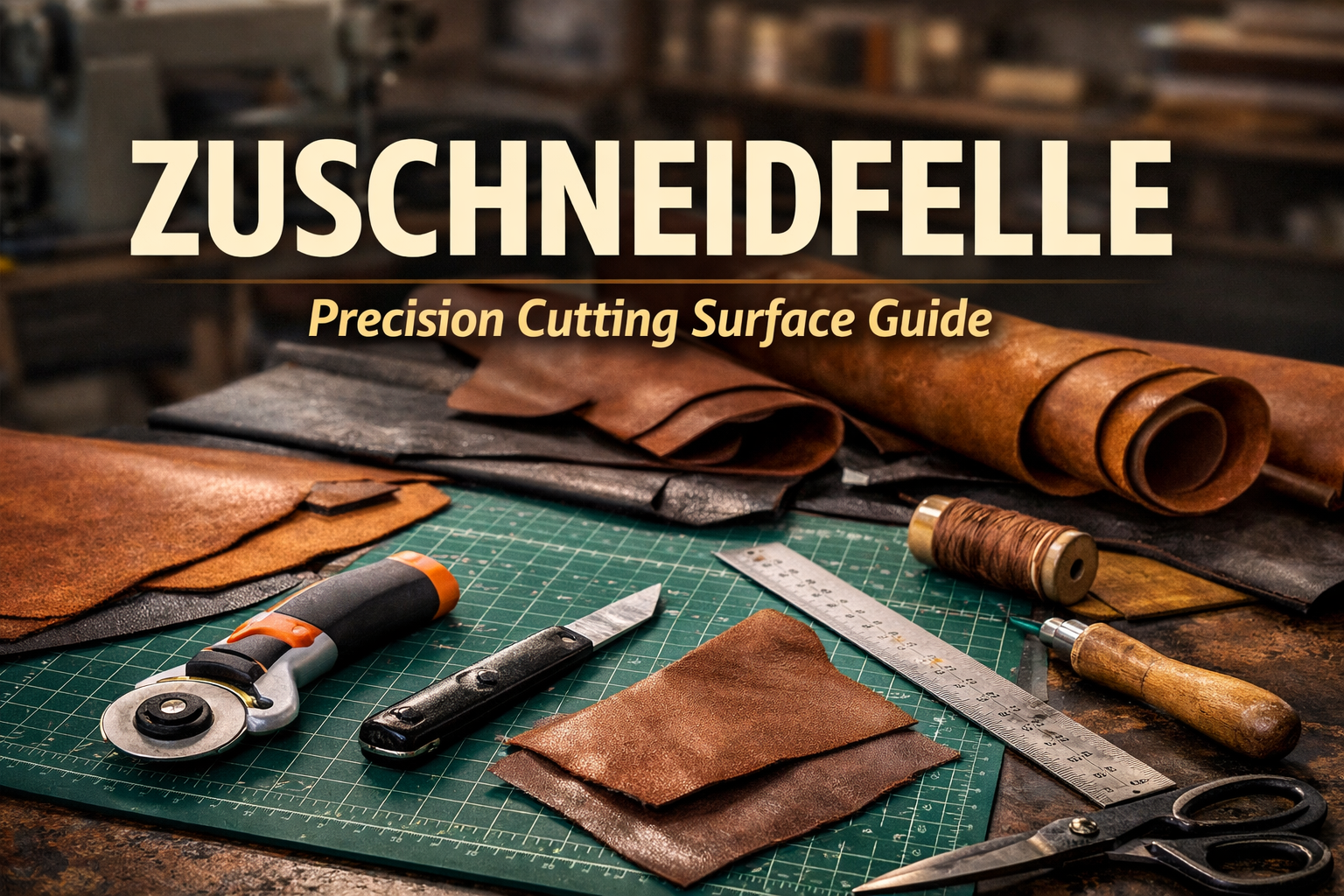
In industries where precision cutting, craftsmanship, and material efficiency matter, the tools and surfaces used for cutting play a critical role. One such specialized material gaining attention in workshops and manufacturing environments is Zuschneidfelle.
Originally rooted in traditional European craftsmanship, Zuschneidfelle refers to prepared hides or durable cutting surfaces used for precision cutting tasks. Over time, the concept has evolved from natural animal hides to modern engineered materials designed for industrial cutting, crafting, and professional manufacturing environments
Today, Zuschneidfelle are widely used in leatherworking, textile production, crafting, furniture design, and industrial fabrication.
This guide explains everything you need to know about Zuschneidfelle, including their meaning, types, benefits, and practical applications.
What Are Zuschneidfelle?
The word “Zuschneidfelle” comes from German:
- Zuschneiden – to cut
- Felle – hides or skins
Together, the term refers to prepared hides or specialized cutting materials designed for shaping, trimming, and crafting materials accurately
Traditionally, these were tanned animal hides such as cowhide, sheepskin, or goatskin used as surfaces for cutting fabrics or leather. Modern versions may also include synthetic materials engineered for durability and precision cutting.
The main purpose of Zuschneidfelle is to:
- Protect tools and work surfaces
- Provide a stable cutting surface
- Improve cutting precision
- Reduce material waste
Because of these advantages, Zuschneidfelle have become essential tools in professional workshops
The History of Zuschneidfelle
The concept of Zuschneidfelle dates back centuries.
Early craftsmen used animal hides as cutting surfaces because they provided a balance between firmness and flexibility. Unlike wood or metal surfaces, hides could absorb pressure from cutting blades without damaging tools
During the Industrial Revolution, improvements in tanning and manufacturing technologies allowed hides to be processed more consistently. Workshops across Europe adopted Zuschneidfelle for tailoring, shoemaking, and leather crafting.
Today, the same idea continues with modern materials that combine traditional craftsmanship with advanced manufacturing techniques
Types of Zuschneidfelle
Zuschneidfelle can be categorized based on the materials used.
#1. Cowhide Zuschneidfelle
Cowhide is one of the most durable materials used for cutting surfaces.
Features
- Thick and durable
- Resistant to deep cuts
- Long lifespan
Commonly used in leather workshops and upholstery manufacturing
#2. Sheepskin Zuschneidfelle
Sheepskin hides are softer and more flexible compared to cowhide.
Advantages
- Easy to work with
- Soft texture
- Ideal for delicate cutting tasks
They are frequently used in fashion design and clothing production.
#3. Goatskin Zuschneidfelle
Goatskin offers a balance between softness and durability.
Key benefits
- Strong grain structure
- Lightweight material
- Suitable for precision craftwork
This type is commonly used in glove manufacturing and small leather accessories
#4. Synthetic Zuschneidfelle
Modern industries often use synthetic materials designed specifically for cutting.
These materials may include:
- Rubberized fabrics
- PVC cutting mats
- High-density industrial felts
They provide high durability, water resistance, and consistent surface performance
Key Benefits of Using Zuschneidfelle
There are several reasons professionals prefer Zuschneidfelle over standard cutting surfaces.
#1. Improved Cutting Precision
Zuschneidfelle offer a stable, non-slip surface that allows blades to glide smoothly, producing clean and accurate cuts
#2. Tool Protection
Cutting on hard surfaces like wood or metal can quickly dull blades.
Zuschneidfelle provide a resilient surface that protects cutting tools and extends their lifespan.
#3. Reduced Material Waste
Because the surface keeps materials stable, workers can cut more precisely and minimize mistakes.
This results in better material utilization and lower production waste.
#4. Long Durability
High-quality Zuschneidfelle can last for years with proper maintenance, making them a cost-effective solution for workshops and factories
Industries That Use Zuschneidfelle
Zuschneidfelle are used across many industries that require precision cutting and crafting.
Textile and Fashion Industry
Fashion designers and tailors rely on Zuschneidfelle to cut fabrics accurately while preventing slipping during pattern cutting.
Common uses include:
- Garment production
- Fabric trimming
- Pattern cutting
Leathercraft and Artisan Workshops
Leatherworkers use Zuschneidfelle when crafting:
- Wallets
- Belts
- Bags
- Saddlery products
The material helps maintain consistent thickness and smooth edges during cutting.
Furniture and Upholstery
Furniture manufacturers use Zuschneidfelle when cutting leather and upholstery materials for:
- Sofas
- Chairs
- Automotive interiors
Printing and Graphic Design
In print studios, cutting mats inspired by Zuschneidfelle concepts are used for:
- Paper cutting
- Vinyl trimming
- Sign making
How to Choose the Right Zuschneidfelle
Selecting the right Zuschneidfell depends on your specific needs.
Consider these factors:
Material Type
Natural hides provide flexibility, while synthetic materials offer durability.
Thickness
Thicker surfaces offer better protection but may reduce cutting precision.
Texture
A smoother texture is ideal for delicate materials, while rougher textures provide stronger grip.
Project Type
Industrial manufacturing may require heavy-duty cutting mats, while craft projects may work better with softer surfaces.
Maintenance Tips for Zuschneidfelle
To keep Zuschneidfelle in good condition:
- Store them in a cool, dry environment
- Clean the surface regularly using a soft cloth
- Avoid harsh chemicals
- Lay them flat instead of folding
Proper care ensures the cutting surface remains durable and effective for years
The Future of Zuschneidfelle
As industries focus more on precision manufacturing and sustainability, Zuschneidfelle are evolving.
Modern versions incorporate:
- eco-friendly materials
- recycled fibers
- self-healing cutting surfaces
- advanced industrial composites
These innovations ensure Zuschneidfelle continue to be an essential tool in both traditional craftsmanship and modern manufacturing environments.
Final Thoughts
Zuschneidfelle represent the perfect blend of traditional craftsmanship and modern technology. Whether made from natural hides or advanced synthetic materials, they provide a reliable cutting surface that improves accuracy, protects tools, and reduces waste.
From fashion design and leather crafting to industrial production, Zuschneidfelle remain a valuable tool for professionals who demand precision, durability, and efficiency in their work
FAQ:
Q1. What does Zuschneidfelle mean?
Zuschneidfelle is a German term referring to hides or specialized materials used as cutting surfaces for precision crafting and manufacturing.
Q2. What materials are used in Zuschneidfelle?
Common materials include cowhide, sheepskin, goatskin, and modern synthetic cutting surfaces designed for industrial use.
Q3. Where are Zuschneidfelle used?
They are commonly used in leatherworking, textile production, furniture manufacturing, and crafting industries.
Q4. Are synthetic Zuschneidfelle better than natural hides?
Synthetic materials are often more durable and water-resistant, while natural hides offer flexibility and traditional craftsmanship advantages.
Q5. How long do Zuschneidfelle last?
With proper care, high-quality Zuschneidfelle can last for several years depending on usage and material quality.
Read Also: Best Free YouTube to MP3 Converter (Fastest & No Ads) in 2026 | New Software 418dsg7: The Ultimate Guide to Modern Workflow Automation (2026)



Leave a Reply