
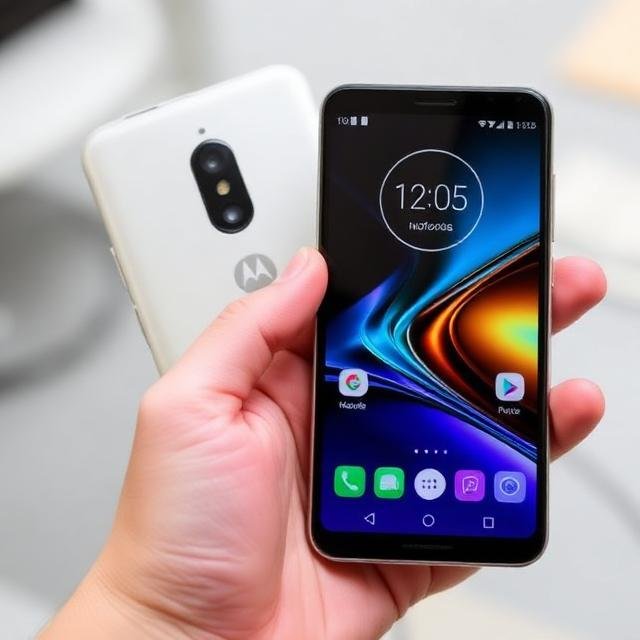
The Motorola Moto G 5G Plus was Motorola’s attempt to bring affordable 5G connectivity to the mid-range market. Even years after its launch, the device is remembered for strong battery life, smooth performance, and a clean Android experience. But how does it really stand today? Let’s break it down.
Quick Verdict
The Moto G 5G Plus delivered excellent value at launch with a big display, reliable performance, and impressive endurance. While modern smartphones have moved ahead in display technology and camera AI, the phone still performs well for everyday users who prioritize battery and stability over flagship features.
Design & Build Quality
The phone features a practical yet modern design:
- Glossy plastic back panel
- Side-mounted fingerprint scanner
- Dual punch-hole selfie camera
- Dedicated Google Assistant button
While it doesn’t offer a glass back or premium metal frame, it still feels solid and durable. The phone weighs around 207g, mainly because of its large battery.
In 2026 standards, the design looks slightly dated but still clean and functional
Display Performance
- 6.7-inch Full HD+ LCD
- 90Hz refresh rate
- HDR10 support
The 90Hz refresh rate makes scrolling and animations smooth. Watching YouTube, Netflix, or browsing feels fluid.
However, since it uses an LCD panel, contrast and deep blacks are not as impressive as modern AMOLED displays.
✔ Smooth experience
✔ Large screen for media
✖ Not AMOLED
Performance & Software
Chipset: Qualcomm Snapdragon 765 (5G-capable)
Smoothness: Snappy in everyday tasks like messaging, browsing, and video. Heavy gaming can push it
The Snapdragon 765 was solid in its day, but by 2026 it’s dated compared with newer mid-range chips — so don’t expect flagship speeds
Software: Originally shipped with stock-like Android. In 2026, official updates are long finished — so security patches and long-term support depend on third-party ROMs or none at all
Cameras:
The Moto G 5G Plus features a quad-camera setup:
- 48MP main camera
- 8MP ultra-wide
- 5MP macro
- 2MP depth sensor
Photos generally look natural with good dynamic range and realistic colors. Portrait shots and ultra-wide photos perform well in good lighting
Selfie Cameras
A standout feature is the dual selfie camera system, producing detailed and accurate selfies.
Weakness
Camera quality drops in challenging lighting conditions, and stabilization slightly reduces video quality when enabled
Audio & Multimedia
Motorola did surprisingly well here:
- Loud bottom speaker
- Clear sound output
- 3.5mm headphone jack included
This makes the phone great for YouTube, music, and casual entertainment
Battery Life:
Battery: Big 5,000 mAh pack
Endurance: Easily lasts a day and sometimes pushes into a second under light use
Charging: 20 W fast charging, topping up in about ~2 hours
In 2026, battery life still compares favorably with many newer phones, though ultra-fast 30-65 W charging is more common today
Pros:
- Big, smooth 90 Hz screen.
- Excellent battery life and reliable endurance.
- Good day-to-day performance for everyday apps.
- Solid selfie cameras.
Cons:
- Plastic build
- Camera struggles in tricky lighting
- LCD instead of AMOLED
- Limited long-term software updates
Final Thought
The Moto G 5G Plus proved that affordable phones could deliver smooth performance and strong battery life. While technology has evolved, its balanced hardware and clean software still make it a respectable mid-range classic.


Leave a Reply